Are you tired of expensive cable bills? Missing out on watching what you want, when you want? IPTV, or Internet Protocol Television, is here to change that. It lets you watch live TV and on-demand content online, without a traditional contract. Your Windows PC can become your entertainment center with the right setup.
Setting up IPTV on your Windows computer is easy. Just pick a reliable provider and download a compatible app or player. IPTV services are flexible. You can watch live news, sports, movies, series, and international content all in one place.Configuring IPTV on Windows PC 2026.
This guide will show you how to set up IPTV on your Windows PC. It’s for tech lovers and beginners alike. We’ll cover everything from choosing a provider to adjusting settings for the best picture quality. Check out the best IPTV 2026 guide for trusted providers and apps for Windows users.
Your journey to top-notch streaming begins now. Let’s make your Windows PC ready for the entertainment you deserve.
Key Takeaways
- IPTV delivers live TV and on-demand content through the internet without cable contracts
- Windows PCs support popular IPTV apps like IPTV Smarters Pro, TiviMate, and XCIPTV for seamless streaming
- You’ll need at least 25 Mbps internet speed for smooth 4K viewing on your Windows device
- Setting up IPTV involves choosing a provider, installing an app, and adding your subscription credentials
- Proper configuration with hardware decoding and quality settings ensures the best viewing experience
- Security matters—use reputable providers and consider a VPN for added privacy protection
Understanding IPTV Basics
Before you start using IPTV on your Windows PC, it’s key to know what it is and how it works. Learning the basics helps you choose the right service for you. This section covers everything about Internet Protocol Television and why it’s becoming popular over traditional cable.
What is IPTV?
IPTV stands for Internet Protocol Television. It lets you watch live TV and on-demand content over the internet without cable or satellite contracts. Your content goes straight to your device through your internet connection.
There are different IPTV formats for different viewing styles:
- Live TV streams real-time broadcasts like Hulu + Live TV, YouTube TV, and Sling TV, so you can watch events as they happen
- Video-on-demand (VOD) services like Netflix and Hulu let you watch movies and shows whenever you want
- Time-shifted or catch-up TV through platforms like BBC iPlayer lets you replay recently broadcast shows for a limited time
- Near-video-on-demand offers pay-per-view content with multiple start times for special events
How IPTV Works
IPTV technology is straightforward. Your internet connection sends compressed video files to your Windows PC through an IPTV app. The app decodes these files and shows them on your screen. This system offers more flexibility than traditional broadcasting.
Your internet provider sends the content through packet-switching technology. This breaks your media into small pieces and reassembles them at your device. This method is more efficient and lets you control what you watch and when.
Benefits of Using IPTV
IPTV brings many advantages to your home entertainment. Here’s what you gain:
| IPTV Advantage | What It Means for You |
|---|---|
| Greater Flexibility | Watch your favorite shows and movies on your schedule, not the broadcaster’s |
| No Bulky Hardware | Everything runs through software on your Windows PC—no extra boxes needed |
| Watch On the Go | Access your content from anywhere your computer travels, whether home or traveling |
| Better Pricing | Most IPTV services cost less than traditional cable packages |
| Wide Range of Services | Choose from dozens of providers offering different content libraries |
The biggest plus is flexibility. Unlike cable, you’re not stuck in long contracts or forced to pay for channels you don’t watch. With so many services, you can pick what fits your interests and budget.
Important Considerations
Before choosing IPTV, know the challenges you might face:
- You need a stable, high-speed internet connection for uninterrupted viewing
- Channel availability fluctuates between different providers
- Video quality varies depending on your internet speed and the service
- Choosing the right service can be challenging with so many options
- Unverified apps can be risky to your computer’s security
“The shift to streaming represents the future of television. Understanding your options helps you make informed decisions about your entertainment.”
These basics are the foundation for your IPTV setup journey on Windows. Next, you’ll learn how to prepare your PC for installation.
Preparing Your Windows PC for IPTV
Before you start streaming your favorite channels, your Windows PC needs proper preparation. Getting your computer and network ready makes the difference between smooth streaming and constant frustration. Let’s walk through the key steps to set up your system correctly.
System Requirements
Your Windows PC must meet certain specifications to run IPTV smoothly. Think of these requirements as the foundation for your streaming experience.
- Windows 7 or newer operating system
- Processor: Intel Core i3 or equivalent AMD processor
- RAM: Minimum 2 GB (4 GB recommended)
- Storage: At least 500 MB free disk space
- Graphics: Integrated graphics sufficient for HD playback
- USB ports for connecting additional devices
Your computer’s age matters less than its overall health. An older PC with proper maintenance can still deliver solid performance for IPTV streaming.
Software Needed
Beyond just an IPTV player, your Windows PC needs supporting software to function properly.
- .NET Framework 4.5 or higher
- Updated graphics drivers
- Current Windows operating system updates
- A compatible internet browser
- VLC Media Player (optional backup player)
Keep your Windows system updated regularly. These updates include security patches and performance improvements that help IPTV streaming work better on your device.
Network Considerations
Your internet connection is absolutely critical for IPTV success. The network setup you choose directly impacts your viewing quality.
| Stream Quality | Speed Requirement | Ping | Jitter | Packet Loss |
|---|---|---|---|---|
| SD (Standard Definition) | ≥ 5 Mbps | < 40 ms | < 30 ms | 0% |
| 1080p (Full HD) | ≥ 10 Mbps | < 40 ms | < 30 ms | 0% |
| 4K (Ultra HD) | ≥ 25 Mbps | < 40 ms | < 30 ms | 0% |
Run a speed test on the same device and spot where you stream from to get accurate results. Your test conditions matter significantly for real-world performance.
Prepare your connection by rebooting your modem and router before testing. Pause any active downloads and turn VPN off for testing to get genuine speed measurements. Do your speed test during peak hours between 7-10 pm when network traffic is highest. This shows you what speeds you’ll actually get during prime time viewing.
If your results are weak, try using Ethernet instead of Wi-Fi for a direct cable connection. If Wi-Fi is necessary, switch to 5 GHz Wi-Fi for faster speeds. Change your Wi-Fi channel to reduce interference from neighboring networks. Enable router QoS to prioritize streaming traffic. Set your DNS to 1.1.1.1 or 8.8.8.8 for faster and more reliable name resolution.
Your network setup directly determines your IPTV streaming quality. Taking time now to optimize these settings prevents hours of buffering and frustration later.
Choosing the Right IPTV Service
Finding the perfect IPTV service for your Windows PC is about what fits your needs. Think about what you want to watch, your budget, and where you live. The IPTV market has grown, offering many choices. Some services are great for live TV, while others focus on on-demand content.
Popular IPTV Providers
When choosing IPTV, you have several solid options. Hulu + Live TV blends live channels with on-demand shows. YouTube TV delivers live TV with a clean interface and solid streaming quality. Sling TV offers flexible plans for live TV without long contracts.
For on-demand content, Netflix and Hulu are top picks. They let you watch what you want, when you want. BBC iPlayer works great for time-shifted TV, letting you catch up on shows you missed. Look for reputable providers with good reviews, solid support, and user-friendly apps for smooth streaming on your Windows PC.
Comparing Features and Pricing
Price matters when you pick an IPTV service. Services range from budget-friendly to premium options. Some services offer a mix of live and catch-up TV and on-demand content, while others specialize in one format.
| Service | Type of Content | Starting Price | Key Feature |
|---|---|---|---|
| Hulu + Live TV | Live TV & On-Demand | $76.99/month | Huge content library |
| YouTube TV | Live TV & On-Demand | $72.99/month | Cloud DVR storage |
| Sling TV | Live TV & On-Demand | $15-65/month | Flexible plans |
| Netflix | On-Demand Only | $6.99-22.99/month | Original series |
| BBC iPlayer | Time-Shifted TV | Free (UK only) | Catch-up viewing |
Reviews and Recommendations
Check what other users say before you sign up. Real reviews tell you about streaming quality, customer service, and app performance. Look for feedback about buffering issues, channel availability, and ease of use on Windows PC.
- Read ratings on independent review sites
- Check social media for user experiences
- Look at app store reviews in detail
- Test free trials when available
- Ask friends about their experiences
Start with a free trial to see if the service works for you. This lets you test the app on your Windows PC, check video quality, and explore the channel lineup before paying. When choosing IPTV, consider what matters most to you. Some people want live sports and news. Others just need movies and shows on demand. Your choice shapes your viewing experience for months to come.
Installing IPTV Player on Windows
Getting your IPTV player set up on your Windows PC is key. Many IPTV services have apps for Windows, making it easy. First, pick your service provider. Then, choose the best player software for your subscription.
This guide helps you find and install the right IPTV player on your computer.
Selecting the Right IPTV Player
Your player choice affects your IPTV experience. Players like Kodi, Smarters, and MyIPTV Player combine different channels in one app. They don’t host content but connect you to various services.
Here are some top players to consider:
- IPTV Smarters Pro – Free, easy to use with Xtream Codes, but might be less stable
- IBO Player and IBO Player Pro – Popular, offer a trial before activation
- Kodi – Customizable, open-source with lots of features
- MyIPTV Player – Easy to use, designed for Windows
If your service lacks a computer app, use your browser. Check your provider’s website for recommended players.
Step-by-Step Installation Guide
Here’s how to install your chosen IPTV player on Windows:
- Go to the player’s official website
- Find the Windows version download link
- Click to save the installer file
- Open the Downloads folder and double-click the file
- Follow the installation wizard
- Choose where to install or accept the default
- Click “Install” and wait for it to finish
- Launch the app after installation
- Allow firewall permissions if needed
| IPTV Player | Cost | Setup Speed | Stability | Best For |
|---|---|---|---|---|
| IPTV Smarters Pro | Free | Very Quick | Moderate | Quick setup with Xtream Codes |
| IBO Player | Paid (Trial Available) | Moderate | High | Feature-rich streaming |
| Kodi | Free | Moderate | High | Advanced customization |
| MyIPTV Player | Free | Quick | High | Windows users seeking simplicity |
After installation, your player is ready for setup. The next section will guide you through entering your subscription details and customizing your settings for the best IPTV experience.
Configuring IPTV Settings in Your Player
After installing your IPTV player on your Windows PC, it’s time to set it up. Getting your configuration right ensures smooth streaming and access to all content. This section guides you through entering your subscription details, customizing your viewing experience, and fixing common connection problems.
Entering Your IPTV Subscription Details
To use IPTV services, you’ll need to choose a provider and download a compatible app or player. Then, enter your login information. When you open your IPTV player for the first time, you’ll see a login screen asking for your credentials.
Login methods include Xtream Codes API and M3U playlist upload. Most modern IPTV players support both options. For Xtream Codes, you’ll need three pieces of information:
- Your username
- Your password
- The server URL (starts with http:// or https://)
Enter details exactly as provided by your provider. This is critical because the system is case-sensitive. Type your username carefully, watching for capital letters. Paste your password exactly as given. Make sure your server URL is complete, including the entire http:// or https:// prefix, with no extra spaces.
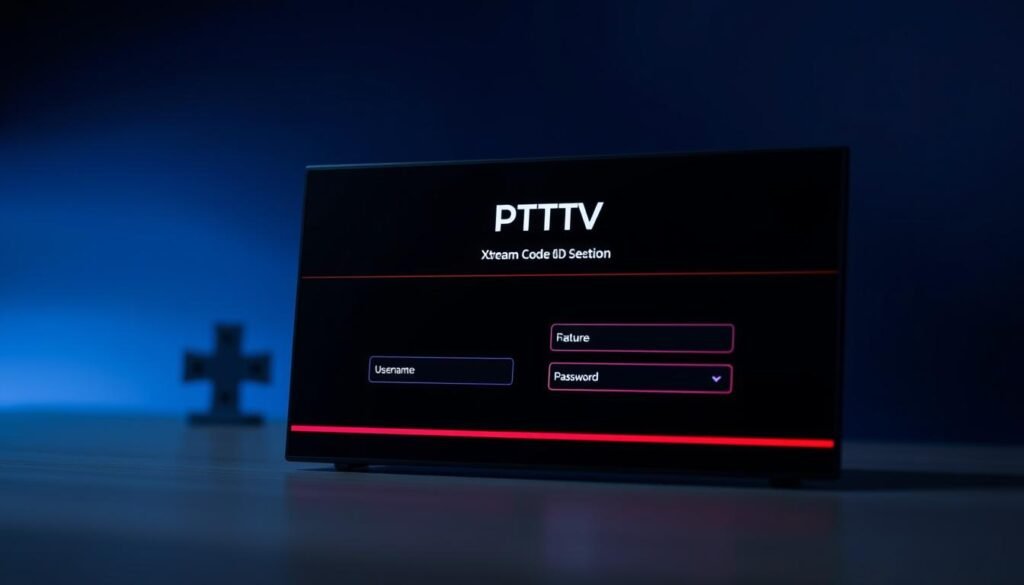
You can give your connection a name (like “My IPTV Service”) for easy identification if you add multiple services. Click “Add User” or “Login” and wait for the app to connect and load your channel list, EPG data, and video-on-demand content.
If you’re using the M3U playlist method, your provider gives you an M3U URL. In VLC, go to Media > Open Network Stream, paste your M3U URL, and click Play. Other players have “Add Playlist” or “Load M3U” options where you paste your URL.
Customizing Viewing Preferences
Once logged in, explore your player’s settings to enhance your experience. Most IPTV players let you customize several important features:
| Setting Type | Available Options | What It Does |
|---|---|---|
| Video Quality | Auto, HD, SD | Matches your internet speed |
| Language | Multiple interface languages | Changes player display language |
| EPG Settings | Time zone, date format | Shows program schedules correctly |
| Channel Organization | Favorites, categories | Organizes channels your way |
| Subtitles | Font size, color, position | Customizes subtitle appearance |
| Parental Controls | Content restrictions | Protects children from adult content |
| Audio Output | Speakers, external systems | Routes sound to your devices |
Adjust video quality settings based on your internet connection speed. Create favorites by marking channels you watch regularly. Hide channels you don’t need and organize your favorites into custom categories for faster access.
Troubleshooting Connection Issues
Connection problems happen to everyone. Start with these basic steps when your service isn’t working:
- Verify your internet connection works by opening a web browser
- Double-check your login credentials match exactly what your provider gave you
- Confirm your subscription is active and hasn’t expired
- Restart your IPTV player completely—close it fully and reopen
- Restart your Windows PC to clear temporary glitches
If you get an “Invalid URL” or “Server not found” error, contact your provider and ask for a DNS-compatible or app-compatible server link. Some providers use different URL formats for different devices. If the URL is rejected, some apps require different server format than others.
Check whether your firewall or antivirus software blocks the IPTV player. You might need to add an exception in your security settings. If you’re using a VPN, disconnect it temporarily to see if it’s causing issues. Clear the app’s cache in settings if available.
As a last resort, uninstall and reinstall the IPTV player completely, then enter your credentials again. This fresh start often solves stubborn connection problems that other methods don’t fix.
Navigating the IPTV Interface
After installing your IPTV player and entering your subscription details, you’re ready to explore. Getting familiar with the layout helps you find what you want to watch fast. IPTV services offer live TV, on-demand content, and more. Knowing how to navigate makes your viewing smoother and more enjoyable.
The main screen of your IPTV player is like a digital guide. It shows channels, categories, and content options in an organized way. You’ll find menu bars, search functions, and navigation buttons. Exploring these areas for a few minutes will make you more confident using the platform.
Familiarizing Yourself with the Layout
Your IPTV player is designed for easy browsing. It has main components like:
- Channel list showing live broadcasts available right now
- Category menu organizing content by type or genre
- Menu buttons for accessing different sections
- Search bar for finding specific shows or movies
- Settings option for adjusting preferences
Learning where each element sits on your screen takes just a few minutes. Most players keep important features in the same spots, making navigation predictable. IPTV services structure their interfaces to let you access live TV and on-demand content without frustration.
Accessing Different Channels and Content
Finding what you want to watch depends on using the right navigation tools. You can browse channels in several ways:
- Use the channel list to scroll through live broadcasts
- Select categories to view content by genre or interest
- Open the VOD libraries to find movies and shows available on demand
- Check time-shifted TV options to catch shows you missed
- Explore pay-per-view content for special events
Tip: Most players show channel numbers, names, and current program information. This helps you identify what is playing without searching. IPTV services organize their different formats so you can find live broadcasts or on-demand options easily.
Using Search and Favorite Features
The search function saves time when you know what you want. Type a show name, movie title, or genre into the search bar. Results appear quickly, letting you jump to that content in seconds.
Favorite features work like bookmarks. You can mark channels, shows, or movies you watch often. Creating a favorites list puts your preferred content right at your fingertips. IPTV services with strong favorite tools let you customize your viewing experience around your actual watching habits.
| Feature | What It Does | When to Use It |
|---|---|---|
| Channel Guide | Shows live broadcasts and schedules | When planning what to watch next |
| Search Bar | Finds specific shows or movies quickly | When you know the title you want |
| Favorites List | Keeps your most-watched content accessible | For regular viewing habits |
| VOD Library | Displays on-demand movies and series | When live TV timing does not work for you |
| Category Menu | Organizes content by type or genre | When you want to explore new content |
Getting to know your interface takes patience. IPTV services offer access to so much content that having organized navigation tools makes all the difference. Once you master these basic features, browsing through live broadcasts, VOD libraries, time-shifted TV, and pay-per-view options becomes second nature.
“A well-designed interface turns content discovery from frustrating to fun.”
Take time to explore each menu section without pressure. Click around, try different options, and learn what works for you. Your comfort with the interface directly affects how much you enjoy your IPTV experience.
Optimizing Your Viewing Experience
To get the best from your IPTV on Windows PC, make smart choices about your connection and settings. Your experience depends on several key factors. You want smooth playback, clear picture quality, and no interruptions while watching your favorite shows and movies.
This section will guide you on how to improve streaming quality and adjust your network settings. This way, you’ll get the most from your IPTV service.
Improving Streaming Quality
The quality of your streams starts with understanding your internet connection. For optimal streaming, ensure speed meets requirements. For example, 5 Mbps for standard definition, 10 Mbps for 1080p, and 25 Mbps for 4K viewing.
Upgrading your internet connection to at least 20 Mbps for HD streaming is a good tip. Faster speeds mean fewer buffering interruptions and better performance. Keep your app updated to fix bugs and improve performance with each new release.
Clearing cache regularly prevents lag and crashes that ruin your viewing session. Using a VPN to prevent content-based throttling and protect data is smart security practice. Many internet providers slow down streaming traffic, and a VPN keeps your activity private while preventing this slowdown.
Adjusting Network Settings
Your network setup makes a huge difference in IPTV performance. Check your ping (should be under 40 ms), jitter (under 30 ms), and packet loss (aim for 0%). These measurements show how stable your connection is.
If results are weak, try connecting with Ethernet instead of Wi-Fi for the most reliable connection. Using 5 GHz Wi-Fi gives better speeds than 2.4 GHz if you cannot use a cable. You can change your Wi-Fi channel to avoid interference from neighbors’ networks.
Enable router QoS (Quality of Service) to prioritize IPTV traffic on your network. Set your DNS to 1.1.1.1 or 8.8.8.8 for faster, more reliable internet resolution. Not overloading your network by limiting simultaneous streams on other devices helps your main IPTV stream perform better.
When multiple devices stream at once, they compete for bandwidth. Using quality hardware in your router and computer ensures nothing becomes a bottleneck in your setup.
Utilizing Media Features
Your IPTV player comes with features designed to enhance viewing. Explore picture settings to adjust brightness, contrast, and color to your preference. Many players let you change subtitle appearance and audio track options for different viewing needs.
- Enable hardware acceleration if available to reduce CPU strain
- Use fullscreen mode for immersive viewing
- Adjust playback speed for catching up on shows
- Set up custom shortcuts for quick access to favorite channels
These adjustments work together to create a smooth, enjoyable IPTV experience on your Windows PC.
Common Issues and Solutions
Setting up IPTV on your Windows PC can sometimes lead to problems. But, most issues have easy fixes. Knowing about common IPTV issues helps you solve them fast. This section covers the most frequent problems and how to fix them.
Buffering Problems
Buffering and freezing can ruin your streaming experience. These issues often stem from slow or unstable internet. Your video keeps pausing while it downloads, which is very frustrating.
Try these steps to fix buffering issues:
- Restart your router by unplugging it for 30 seconds, then plugging it back in
- Close other apps running in the background that use internet
- Reduce the number of devices connected to your network
- Switch to a wired connection instead of WiFi for better stability
- Lower your streaming quality in the player settings
A wired connection gives you faster, more reliable speeds than wireless options. If you’re far from your router, moving closer can help too.
Channel Not Found Errors
Sometimes, channels don’t show up in your player, even if you’re subscribed. This issue usually comes from a provider server problem or an outdated playlist.
Fix missing channels by doing this:
- Refresh or reload your playlist URL in the player settings
- Check your provider’s status page for any service interruptions
- Restart your IPTV app completely
- Contact your provider to confirm channels are active on your account
Channels not showing up might also mean your playlist needs updating. Most providers send new playlists regularly to add or remove content.
Login Issues
Can’t log into your IPTV player? Login problems can block you from accessing anything. Several things might cause this, and each has its own solution.
| Problem | Solution |
|---|---|
| Forgotten password | Reset your password through your provider’s website. Check your email for a reset link. |
| Expired subscription | Log into your provider’s website to check if your subscription is active. Renew it if needed. |
| Wrong date and time on PC | Go to Settings > Time & Language > Date & Time and enable “Set time automatically” |
| Firewall blocking app | Temporarily disable your firewall to test. If login works, add your IPTV app as an exception. |
| Corrupted app data | Clear your app’s cache and data, then restart and try logging in again |
Your Windows PC’s date and time settings matter more than you might think. Some authentication systems reject logins when your system clock is wrong. Make sure the time matches your location.
If nothing works, try a different IPTV player to determine if the issue is with the specific app or your login details. Contact your provider’s support team for help if you’ve tried everything else. They can check your account status and spot problems on their end.
Apps misbehaving sometimes means you need to clear app cache, restart your device, uninstall and reinstall the app, or update to the latest version. These basic fixes solve most player problems.
Getting quick help from your provider’s support team saves you time and stress when dealing with login issues.
Keep your IPTV player updated to avoid bugs and security problems. Updates often fix known issues that cause login failures and other headaches. Check your app store regularly for new versions.
Staying Up-to-Date with IPTV Developments
The world of IPTV is always changing. New services and technologies pop up all the time. Keeping up with these changes helps you make smart choices for your Windows PC IPTV system.
Future Trends in IPTV Technology
Artificial Intelligence and Machine Learning are changing IPTV. These smart technologies learn your viewing habits and suggest shows you’ll love. This makes your IPTV player better at finding content you want to watch.
5G networks are coming to the United States, bringing faster speeds to your home. This means less buffering and smoother streaming. Combine 5G with modern IPTV services for a nearly flawless viewing experience.
High-definition streaming is the future. Expect more 4K IPTV content and maybe even 8K by 2027. Check out top IPTV providers using AI for insights into what’s coming.
Keeping Your Software Updated
App updates fix bugs, improve performance, and add new features. Downloading the latest version helps avoid glitches. Set your IPTV player to update automatically whenever possible.
Updates do more than fix problems. They bring new tools, security improvements, and fresh content options. Keeping your app updated ensures your Windows PC is ready for everything IPTV offers.
Engaging with Community and Support
Join online IPTV forums and communities to share tips and tricks. These spaces help you learn from others who have solved similar problems. You’ll gain valuable knowledge about settings, features, and how to get the best streaming quality.
Don’t ignore official support channels from your IPTV provider. They can help you understand new features and answer questions about your subscription. Staying connected with both the community and support teams keeps you informed as IPTV evolves.