How Modern Streaming Has Redefined Home Entertainment
Gone are the days of waiting for scheduled TV broadcasts or dealing with pixelated, laggy streams that ruin your favorite live events. Today’s viewers demand instant access to global content, 4K resolution, and zero interruptions when watching live sports, movies, or international channels. The rise of Stable IPTV server no buffering solutions has transformed how households consume media, moving away from clunky cable boxes to flexible, internet-powered streaming setups. Unlike traditional cable, modern IPTV services adapt to your bandwidth, offer thousands of channels, and prioritize smooth playback even during peak usage hours. As more users move away from overpriced cable bundles, the demand for Reliable IPTV streaming has skyrocketed, with providers racing to deliver the most consistent performance for global audiences. This shift gives viewers full control over what they watch, when they watch it, and how much they pay, with no rigid contracts or limited lineups.
Setup & Configuration Guide
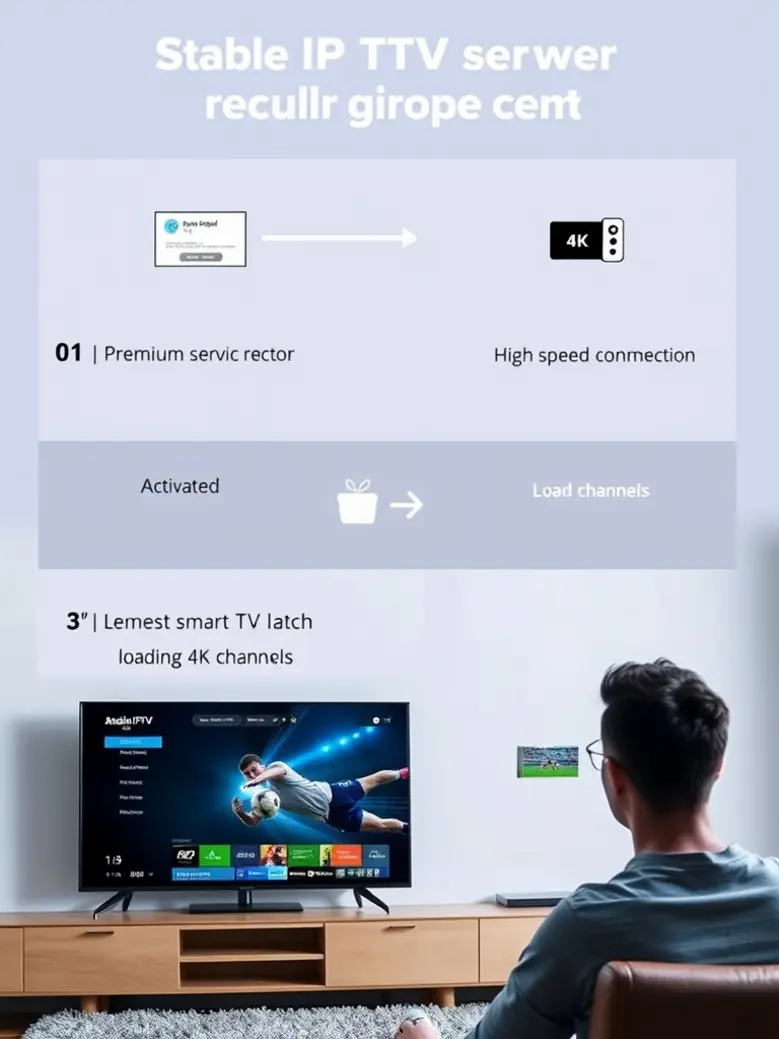
Getting your IPTV service up and running takes less than 15 minutes if you follow these 5 simple phases, designed to eliminate common setup errors that lead to long-term playback issues.
Preparing Your Home Internet Connection
Start by testing your internet speed using a free tool like Ookla Speedtest. For buffer-free 4K streaming, you need at least 25 Mbps dedicated to your streaming device – aim for 50 Mbps or higher if multiple household members use the internet simultaneously. Hardwire your device to your router via Ethernet whenever possible, as WiFi signals fluctuate due to interference, thick walls, or distance. If using WiFi, connect to the 5GHz band for faster speeds and less congestion. Restart your router and modem 10 minutes before setup to clear cached data that slows connections.
Selecting and Optimizing Compatible Streaming Hardware
Most modern smart TVs, Amazon Fire TV Sticks, Android TV boxes, and gaming consoles support IPTV apps. Avoid devices with less than 2GB of RAM, as they struggle to decode high-resolution streams and crash frequently. For Firesticks, clear cache of unused apps to free storage and processing power. Android TV boxes should run the latest OS update to avoid compatibility issues. Confirm your hardware supports simultaneous connections if you plan to stream on multiple devices, as budget devices often limit background apps, leading to playback drops.
Installing and Configuring Your IPTV Playback Software
Download a reputable IPTV player from your device’s official app store – popular options include IPTV Smarters Pro, TiviMate, and Perfect Player. Avoid third-party APK files, which may contain malware. Open the app and add a new playlist or Xtream codes login, entering credentials exactly as provided, including capitalization and special characters. Most apps auto-detect your server region and adjust settings, but you can manually select a nearby server if playback feels sluggish.
Activating Your Service Credentials
After entering login details, the app syncs your channel lineup and VOD library – this takes 2-5 minutes depending on internet speed and channel list size. Navigate to settings and enable “hardware acceleration” to offload video decoding to your device’s graphics chip for smoother playback. Set default resolution to match your speed: 4K for 25+ Mbps, 1080p for 10-25 Mbps, 720p for slower connections. Save settings and restart the app to apply changes.
Verifying Playback Quality Across Channels
Test at least 10 channels across categories – live sports, news, movies, and international – to confirm consistent playback. Check for buffering, audio sync issues, or pixelation during fast-moving scenes. Lag on only one or two channels likely indicates a specific channel server issue, not your setup. Widespread lag means revisiting network settings or contacting your provider about regional outages. Note top-performing channels for future viewing.
Performance & Optimization Insights
Even after successful setup, small adjustments improve your streaming experience. These tips target speed, stability, and quality – the three core pillars of great IPTV performance.
Maximizing Streaming Speed for Live Events
Live sports and award shows cause the most buffering, as millions stream simultaneously. Close other apps on your device and pause background downloads on household devices during high-traffic events. Monitor data usage to avoid ISP throttling, which cuts speed by 50% or more once you hit your cap. Some users use VPNs to bypass throttling, but confirm this complies with your provider’s terms of service first.
Preventing Unexpected Playback Drops
Enable auto-reconnect in your IPTV app to automatically restart dropped streams. Clear app cache weekly to remove temporary files that slow performance. For WiFi users, invest in a mesh router to eliminate dead zones, ensuring consistent signal in basements or upstairs bedrooms. Avoid public WiFi for streaming, as congested, unsecured networks cause frequent drops and data theft risks.
Adjusting Resolution Settings for Your Bandwidth
Don’t force 4K playback if your internet can’t support it – this is the #1 cause of buffering. Cap maximum resolution in app settings: 1080p for 10-25 Mbps, 720p for slower speeds. Enable “adaptive bitrate” to automatically lower resolution during temporary speed drops, scaling back up when stable. For VOD content, download movies to local storage if supported to watch without using bandwidth.
Even with a Stable IPTV server no buffering setup, small tweaks elevate your experience from good to exceptional. Check power saving settings – some devices throttle processing power in low battery or idle mode, causing lag during long sessions. Many users turn to online forums like Reliable IPTV streaming discussion threads to troubleshoot minor lag, but most optimizations are done directly in your device’s settings menu.
Common Issues & Smart Fixes
No technology is 100% error-proof, but most common IPTV issues are fixed in under 5 minutes with these targeted solutions.
Resolving Persistent Playback Stuttering
For frequent buffering, restart your streaming device and router. Recheck internet speed – contact your ISP if it’s lower than initial setup levels. If speed is fine, switch to a different server region in your app, as your default server may be overloaded. Lower resolution to 720p temporarily to confirm if the issue is bandwidth or server-related. If you’ve followed all setup steps but still face intermittent lag, verify that your provider offers a true Stable IPTV server no buffering infrastructure, as some low-cost services oversell bandwidth during peak hours like major sports events.
Fixing Failed Account Authentication Prompts
Double-check that username, password, and server URL are entered exactly as provided – even a missing slash or wrong port causes login failures. Update credentials in-app if you’ve recently changed your password. Providers often lock accounts after 3 failed attempts, so contact support if locked out. Avoid sharing credentials, as most services limit simultaneous logins, and exceeding this limit triggers authentication errors.
Stopping Unexpected App Closures During Streams
App crashes usually stem from outdated software or insufficient storage. Update your IPTV app to the latest version, then clear its cache and data. If crashes persist, uninstall and reinstall the app, then re-enter credentials. Check device storage – free at least 1GB by deleting unused apps or files. Firestick users should disable “collect app usage data” in settings, as this background process conflicts with IPTV apps on low-storage devices.
Restoring Missing or Broken Channel Lineups
For missing channels or “playlist error” messages, sync your playlist again in the app’s settings. If that fails, re-enter Xtream codes or M3U URL to force a fresh sync. Providers update lineups weekly, so missing channels may have moved categories or been discontinued. Contact support if an entire channel category is missing, as this may indicate a server-side account issue. For complex persistent issues, seeking advice on Reliable IPTV streaming communities connects you with experienced users who’ve resolved identical problems.
Why This Solution Stands Out
With hundreds of IPTV providers on the market, premium services stand out via cost, content variety, and user experience.
Cost is a key differentiator: traditional cable bundles average $120 monthly in the US, with hidden fees for HD, DVR, and receivers. High-quality IPTV costs $10-$20 monthly, with no hidden fees, no long-term contracts, and 24-hour free trials. Cancel anytime, unlike cable providers that charge up to $400 in early termination fees.
Content variety is unmatched: premium services offer 10,000+ live channels from 50+ countries, including local US networks, international sports, premium movies, and niche hobby channels. Most include 50,000+ VOD titles updated weekly, plus DVR functionality to record live TV to device storage.
User experience seals the deal. Choosing a Stable IPTV server no buffering provider eliminates the frustration of missing a Champions League final goal or having a movie freeze at the climax. Unlike cable’s limited local lineups, Reliable IPTV streaming services offer global content, multi-device support, and 24/7 customer support with 15-minute average response times. Premium providers also use anti-freeze technology to prevent buffering during high-demand events, with regular server upgrades to handle peak traffic.
Final Thoughts & Action Step

Upgrading your home streaming setup doesn’t have to be complicated or expensive. Follow the setup steps above, optimize your network, and choose a provider that prioritizes consistent performance to say goodbye to buffering forever. Start with a 1-month trial to verify server stability in your region, then scale to a 6-month or annual plan once you confirm seamless playback across all favorite channels. Don’t let laggy streams ruin your next binge-watch or live event – take control of your viewing experience today. Check your internet speed, clear device storage, and sign up for a trial to see the difference a stable server makes.
FAQ
What Internet Speed Do I Need for Buffer-Free IPTV?
720p streaming requires 5 Mbps; 1080p needs 10 Mbps; 4K needs 25 Mbps. Add 5 Mbps per additional simultaneous streaming device. Add 10 Mbps if you plan to use DVR or download VOD content regularly.
Can I Use a Stable IPTV Server on Multiple Devices at Once?
Most premium services allow 2-5 simultaneous connections, depending on subscription tier. Avoid exceeding your allowed device count, as this triggers account locks or playback errors. Add-on packages for extra connections are available from most providers if needed.
How Do I Know If My Playlist Is Configured Correctly?
A correctly configured playlist loads all channels and VOD within 5 minutes of login. You should play any channel without authentication errors, and the EPG should display accurate show times for 7 days. Resync your playlist in settings if the EPG is missing or inaccurate.
Why Does My Stream Lag Only During Peak Evening Hours?
Peak hours (7-11 PM local time) see maximum household streaming, congesting both ISP networks and IPTV servers. If lag only occurs then, ask your ISP about higher bandwidth plans, or contact your provider to switch to a less congested server region.
Is It Legal to Use IPTV Services in My Region?
IPTV technology is legal, but service legality depends on whether providers hold distribution rights for their content. Choose providers that state they have valid licensing, and avoid unusually low-priced services offering premium channels, as these are often unlicensed.
How Often Are Channel Lineups Updated for IPTV Providers?
Most premium providers update lineups weekly, adding new channels and removing discontinued ones. In-app notifications alert you to major updates, and you can force a manual sync in settings anytime to get the latest lineup.